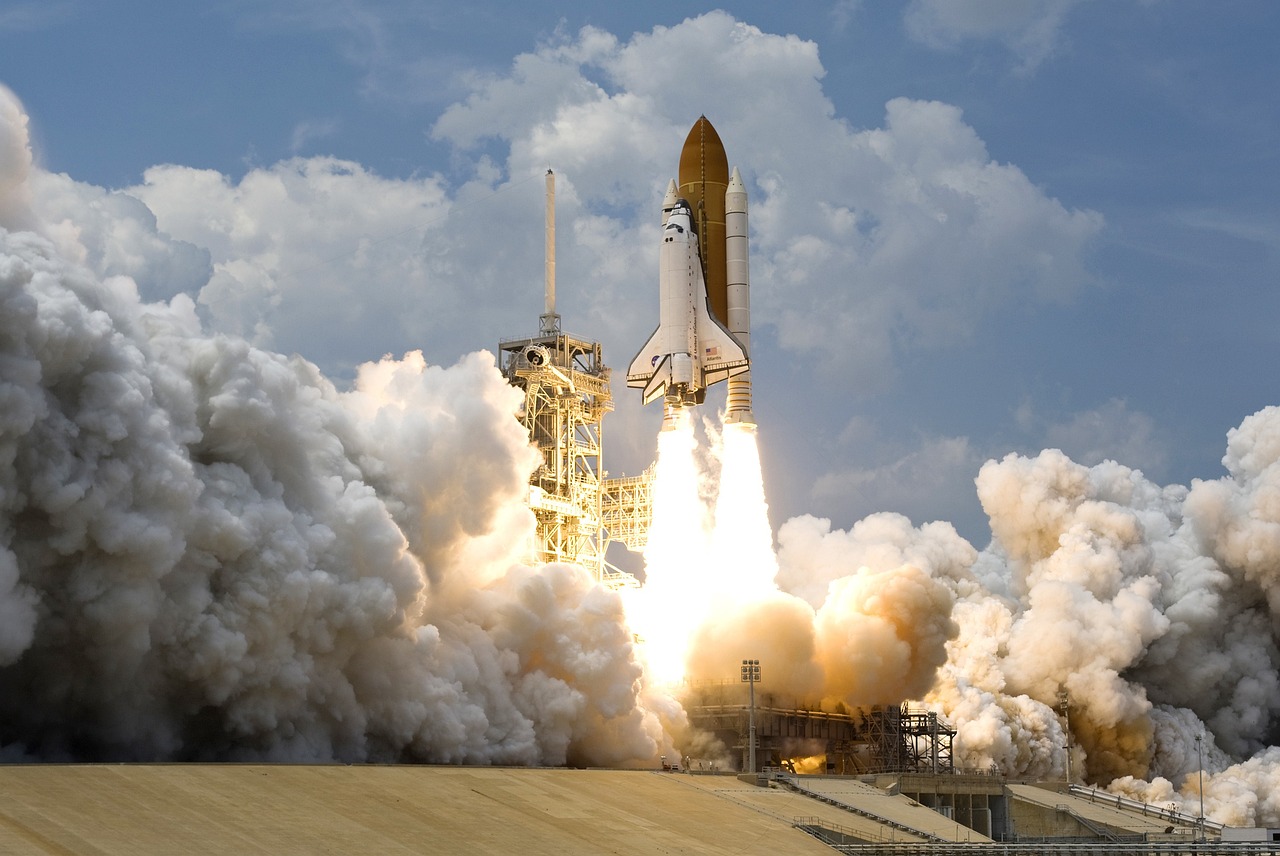
China successfully launched its first-ever emergency space mission on November 25, 2025, sending an unmanned Shenzhou-22 spacecraft to rescue three stranded astronauts aboard the Tiangong space station. The uncrewed spacecraft blasted off from the Jiuquan Satellite Launch Center in northwest China at 12:11 p.m. local time atop a Long March-2F rocket, carrying 600 kilograms of supplies including food, equipment, and spare parts.
A Crisis in Orbit
The emergency launch became necessary after the Shenzhou-20 spacecraft was damaged earlier this month. The vessel’s return capsule window cracked, likely from an impact caused by space debris, rendering it unsafe for the astronauts’ return journey to Earth. This left three Chinese astronauts aboard Tiangong without a functioning lifeboat—a critical safety risk for any crewed space station.
The situation worsened when China’s only other available spacecraft, the Shenzhou-21, had to depart six months ahead of schedule on November 14 to return its crew to Earth, leaving the station’s resident astronauts completely without an emergency return vehicle.
Rapid Response
The China Manned Space Agency (CMSA) executed the emergency launch just 16 days after the crisis began, demonstrating the effectiveness of China’s mandatory safety protocols. Since 2021, Chinese space regulations have required a backup carrier rocket and Shenzhou spacecraft to remain on standby at all times—a requirement that enabled this swift deployment.
“This emergency launch is a first for China, but I hope it will be the last in humanity’s journey through space,” CMSA official He Yuanjun told state broadcaster CCTV.
Supplies and Solutions
The Shenzhou-22 spacecraft carries not only a means for the astronauts to return home, but also critical supplies: spare parts, repair equipment to fix the damaged Shenzhou-20 window, fresh fruit, and vegetables for the crew. The spacecraft is expected to dock autonomously with Tiangong and will remain at the station until approximately April 2026, when it will transport the Shenzhou-21 crew back to Earth.
Global Context
China’s rapid and methodical response stands in contrast to recent events at NASA’s International Space Station, where two NASA astronauts were stranded for nine months due to propulsion system issues with their return vehicle. As both nations pursue lunar ambitions before or by 2030, they continue to closely study each other’s operational protocols and space technologies.
Photo by WikiImages on Pixabay