NASA Makes Historic Policy Shift: Astronauts Can Now Take Personal Smartphones to Space
NASA has formally approved personal smartphones for astronauts on crewed missions, marking a significant departure from decades of conservative technology practices. The policy change will debut with the Crew-12 mission to the International Space Station and the highly anticipated Artemis II mission to lunar orbit, both scheduled for early 2026.
Breaking From Tradition
Historically, NASA astronauts traveling to the ISS and beyond have been restricted to agency-supplied equipment, primarily decade-old Nikon DSLR cameras and GoPros. The shift to modern smartphones represents a fundamental rethinking of how space missions will document their journeys.
“We are giving our crews the tools to capture special moments for their families and share inspiring images and video with the world,” NASA Administrator Jared Isaacman announced on X. He emphasized that the approval went beyond cultural change, noting that NASA “challenged long-standing processes and qualified modern hardware for spaceflight on an expedited timeline.”
More Than Snapshots
The decision reflects practical advantages of modern smartphone technology. Contemporary iPhones and Android devices offer advanced sensors, sophisticated image stabilization, ultra-wide lenses, and multi-format video capabilities in a single familiar device. This accessibility could lead to more spontaneous documentation compared to specialized camera equipment that requires trained operation.
The change promises to make upcoming space missions among the most thoroughly documented in NASA history, with astronauts able to capture candid moments without interrupting scheduled tasks or relying on specialized equipment.
Breaking New Ground in Lunar Exploration
Artemis II will mark the first opportunity to capture smartphone images from lunar orbit since the Apollo era ended in 1972. The mission represents a watershed moment for both space exploration documentation and NASA’s willingness to modernize operational procedures.
A Broader Signal for Future Missions
Isaacman framed the rapid approval process as indicative of NASA’s operational evolution. “That operational urgency will serve NASA well as we pursue the highest-value science and research in orbit and on the lunar surface,” he stated, suggesting that expedited hardware qualification could become standard practice for future missions.
While smartphones have previously flown on private SpaceX missions, this marks the first formal approval by NASA for flagship government missions, signaling a willingness to reconsider longstanding conservative technology policies.
The decision underscores how modern consumer technology can enhance space exploration while maintaining safety standards, potentially transforming how the world experiences humanity’s ventures beyond Earth.
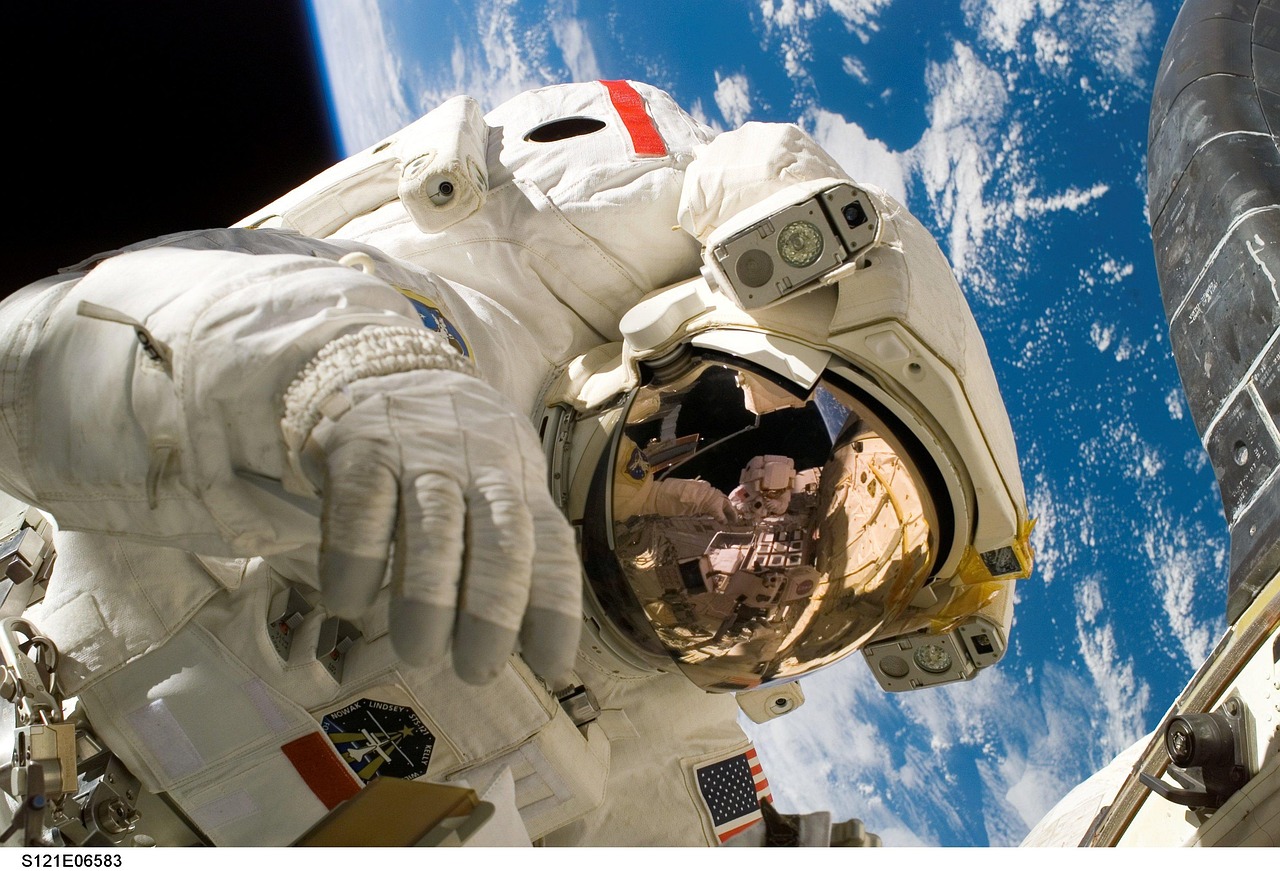
Photo by WikiImages on Pixabay