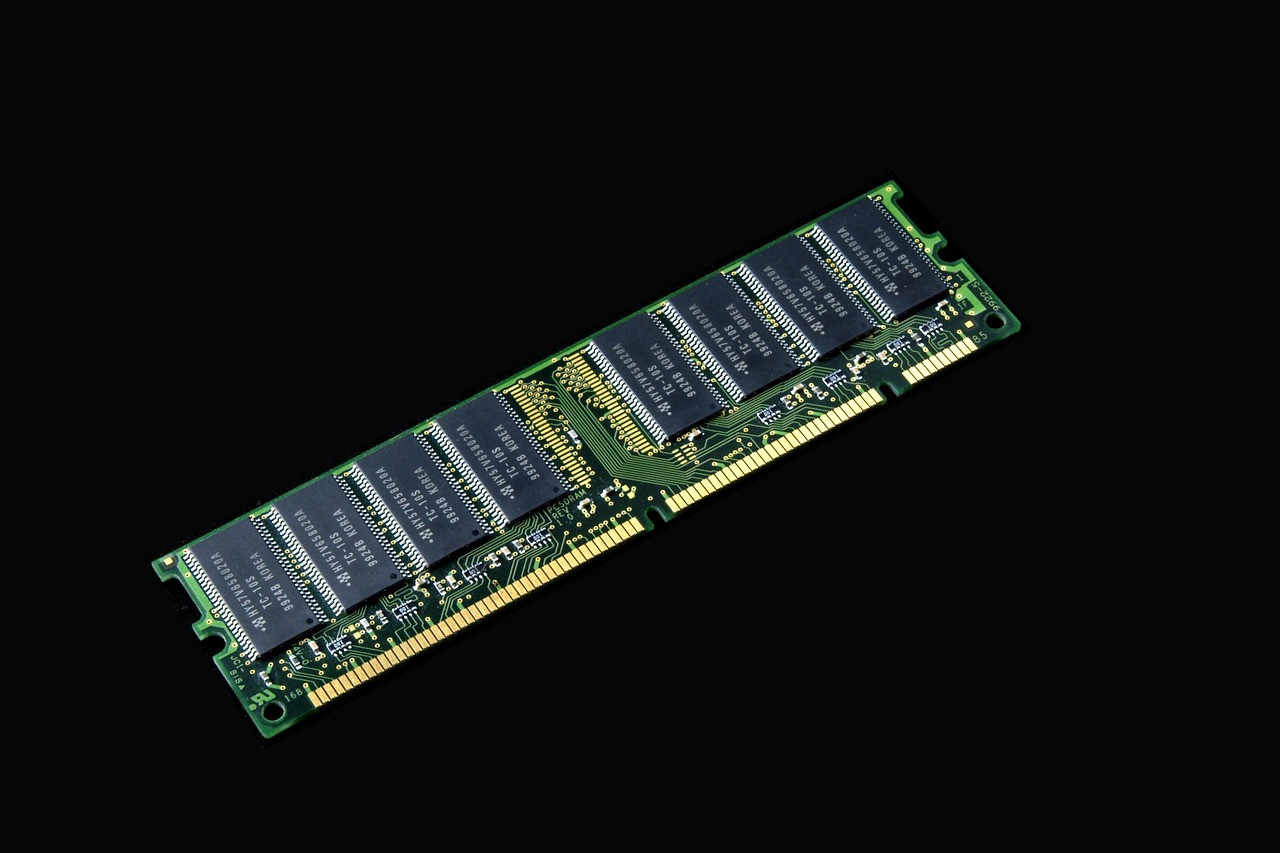
The global RAM shortage of 2026 has officially caught up with Valve, forcing the company to delay pricing and release dates for its upcoming hardware lineup while simultaneously causing complete stock-outs of the Steam Deck.
Valve’s Hardware Plans Derailed
In early February, Valve announced that the widely anticipated Steam Machine, Steam Frame VR headset, and new Steam Controller would no longer meet their originally planned early 2026 launch window. The company confirmed that rapidly escalating memory and storage shortages have forced them to revisit both pricing and shipping schedules.
“When we announced these products in November, we planned on being able to share specific pricing and launch dates by now,” Valve stated. “But the memory and storage shortages you’ve likely heard about across the industry have rapidly increased since then.”
While Valve maintained its goal of shipping all three products during the first half of 2026, the company acknowledged uncertainty around final pricing and exact launch dates. The Steam Machine, originally expected to cost around $550–$600, could see significant price increases due to component costs.
Steam Deck Goes Completely Out of Stock
The fallout from the shortage extended to Valve’s existing product line. All available Steam Deck models became completely sold out simultaneously—including the 256GB LCD model and both the 512GB and 1TB OLED variants. While the LCD model’s discontinuation in December 2025 explained part of the shortage, the simultaneous unavailability of both OLED versions raised questions about whether the RAM crunch was impacting current production and inventory.
AI-Driven Demand Squeezes the Industry
The root cause of the crisis stems from AI datacenters monopolizing the global memory supply, driving unprecedented demand for HBM (high-bandwidth memory) and DDR5 RAM. This unprecedented demand has created a cascading effect across the entire PC gaming and hardware industry.
Other major manufacturers have already felt the pressure. Framework announced price increases of up to $460 on its Framework Desktop in January 2026, while traditional PC makers face similar challenges acquiring chips from major manufacturers. Industry analysts warn that smaller players without deep relationships to memory suppliers will struggle most in this environment.
Industry-Wide Impact Expected
Industry experts predict the memory shortage could trigger broader economic effects across the PC industry, with potential price hikes affecting consumers well into 2026. For consumers, this means gaming hardware and PC upgrades will likely cost significantly more than anticipated, while release timelines continue to slip.
Valve maintained that it will not subsidize its new hardware and intends to price products competitively as entry-level PCs, but achieving this goal amid skyrocketing component costs remains uncertain. The company promised to provide additional updates as it finalizes concrete pricing and launch information in the coming weeks.
Photo by cliffsmith23 on Pixabay