SpaceX Officially Acquires xAI in Historic Deal
Elon Musk’s SpaceX has acquired his artificial intelligence startup xAI in what is now the world’s largest merger and acquisition deal ever. The combined entity is valued at approximately $1.25 trillion, with SpaceX valued at roughly $1 trillion and xAI at about $250 billion.
The announcement, made by Musk through a memo posted to SpaceX’s website, represents a major consolidation of two of the tech entrepreneur’s most ambitious ventures. This merger significantly surpasses the previous record for M&A deals set in 2000, underscoring the scale of Musk’s expanding technological empire.
Strategic Vision: Moving AI to Space
The primary driver behind this acquisition is the creation of space-based data centers powered by solar energy. According to Musk, current advances in artificial intelligence depend on massive terrestrial data centers that consume enormous amounts of electricity and cooling capacity. The combined demands of global AI computing cannot be met by Earth-based infrastructure without imposing environmental and community hardship.
“Current advances in AI are dependent on large terrestrial data centers, which require immense amounts of power and cooling,” Musk wrote in his official memo. “Global electricity demand for AI simply cannot be met with terrestrial solutions, even in the near term, without imposing hardship on communities and the environment.”
The solution: orbiting satellites that operate as data centers, harnessing near-constant solar power with minimal operating costs. Musk envisions launching a constellation of satellites to transform compute scalability, describing it as a path toward becoming a “Kardashev II-level civilization” capable of harnessing the Sun’s full power.
Financial and Operational Integration
The acquisition brings together SpaceX’s proven launch and satellite operations—including its successful Starlink service—with xAI’s rapidly expanding AI infrastructure. xAI, which has been developing advanced computing systems and logging billions of compute hours, currently burns approximately $1 billion per month according to industry reports.
This integration creates what experts describe as a vertically integrated powerhouse with unprecedented capabilities. The combination ensures SpaceX maintains a constant stream of satellite deployment revenue, as regulatory requirements mandate satellite de-orbiting every five years—guaranteeing ongoing business cycles.
Future IPO Plans and Regulatory Scrutiny
SpaceX has been preparing for a potential initial public offering as early as June 2026, with some valuations projecting the company could be worth more than $1.5 trillion post-IPO. The merger’s impact on this timeline remains unclear, though industry observers expect the deal to strengthen the company’s market position.
However, the acquisition will likely face scrutiny from regulators. SpaceX holds billions in federal contracts with NASA, the Department of Defense, and U.S. intelligence agencies—all of which possess authority to review major acquisitions for national security concerns. The concentration of authority across multiple companies under Musk’s leadership, along with governance and valuation considerations, may warrant additional review.
The Broader Picture
The merger represents a bold bet that the future of artificial intelligence infrastructure will transcend terrestrial limitations. Beyond immediate space-based data centers, the combined entity opens possibilities for ultra-fast global AI services, low-latency processing onboard satellites, and even computational infrastructure on the Moon or Mars—cementing Musk’s vision of humanity’s multi-planetary future powered by advanced artificial intelligence.
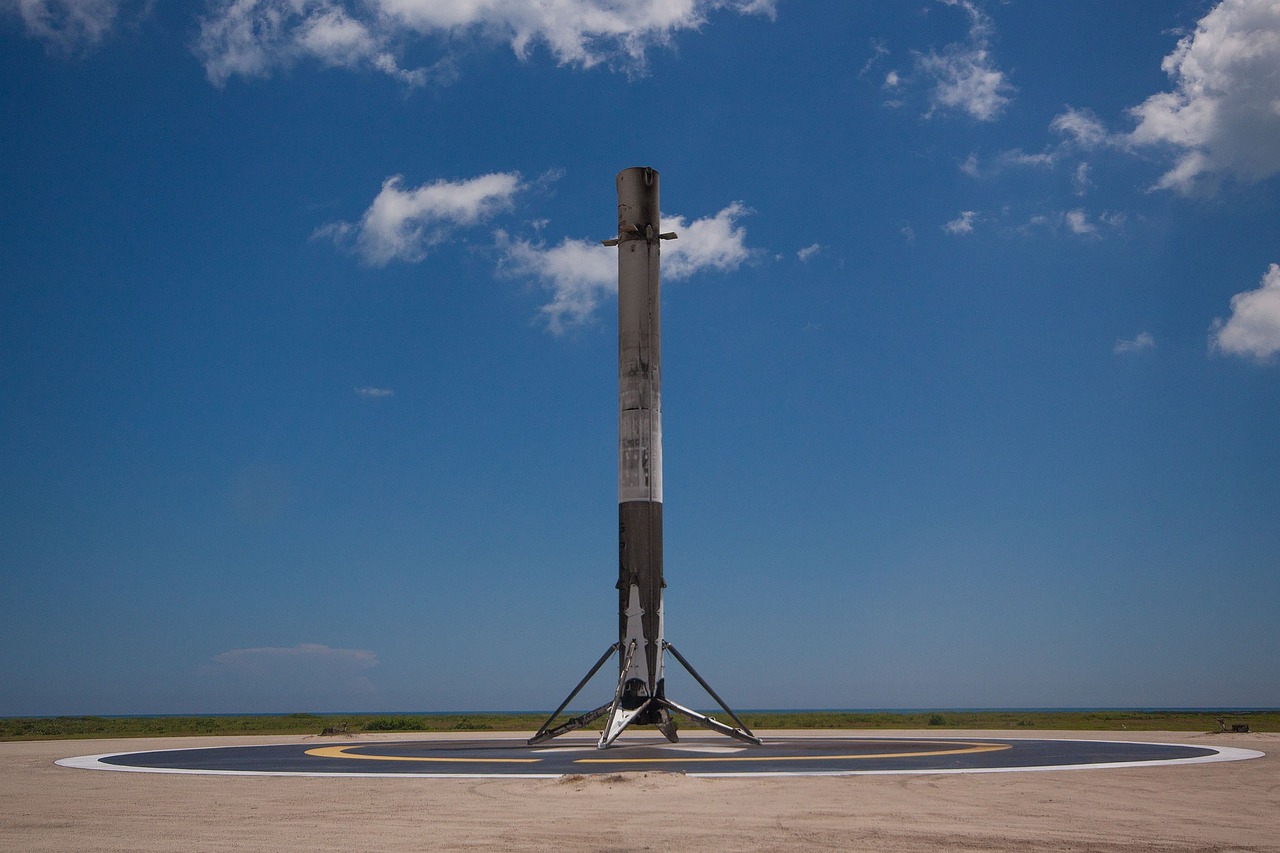
Photo by Military_Material on Pixabay