The Federal Communications Commission has granted SpaceX approval to launch an additional 7,500 Starlink Gen2 satellites, bringing the total authorized constellation to 15,000 satellites. This significant expansion marks a major milestone for SpaceX’s ambitions to expand global internet coverage, though it represents only half of the company’s original request.
Partial Approval Signals Caution on Orbital Crowding
SpaceX originally requested permission to deploy nearly 30,000 Gen2 satellites back in 2020, but the FCC has taken a measured approach to the expansion. The regulatory body approved approximately half of the requested spacecraft while explicitly deferring action on the remaining 14,988 satellites, citing concerns about orbital debris and space congestion.
The FCC’s decision balances the need for expanded broadband capacity with growing concerns about orbital congestion and spectrum coordination. SpaceX has demonstrated its commitment to space safety by recently lowering the altitude of 4,400 satellites from 341 miles to 298 miles to reduce collision risks.
Enhanced Capabilities and Global Reach
Beyond the increased satellite count, the FCC’s approval grants SpaceX substantial operational enhancements. The agency authorized Gen2 satellites to operate across five frequency bands—Ku-band, Ka-band, V-band, E-band, and W-band—enabling higher throughput and lower latency. The approval also permits direct-to-cell connectivity outside the United States and supplemental coverage within U.S. borders.
Gen2 satellites represent a significant leap from their predecessors, featuring a 20x increase in throughput and improved connectivity capabilities. These technical upgrades promise faster, more reliable internet services across underserved regions worldwide.
Ambitious Deployment Timeline
The FCC has established strict deployment requirements. SpaceX must launch 50% of the newly authorized satellites by December 1, 2028, with the remaining 50% operational by December 1, 2031. This timeline ensures steady progress while allowing the company to manage manufacturing and launch logistics.
Expanding Mobile Services
The approval also supports SpaceX’s expanding partnership with T-Mobile to provide satellite-to-phone services. Currently available for text messaging and app access in remote U.S. locations, the companies plan to introduce voice calls over satellite in the future. The expanded Gen2 constellation will enable this direct-to-cell service to extend globally.
Ongoing Regulatory Oversight
The FCC order includes continued monitoring obligations, requiring SpaceX to report on collision avoidance and satellite disposal practices. The agency retains authority to pause further deployments if orbital debris risk thresholds are exceeded, maintaining space environmental standards as the constellation expands.
This approval represents a critical step forward for satellite-based internet infrastructure, positioning Starlink to deliver enhanced connectivity to remote areas worldwide while navigating the complex challenges of orbital space management.
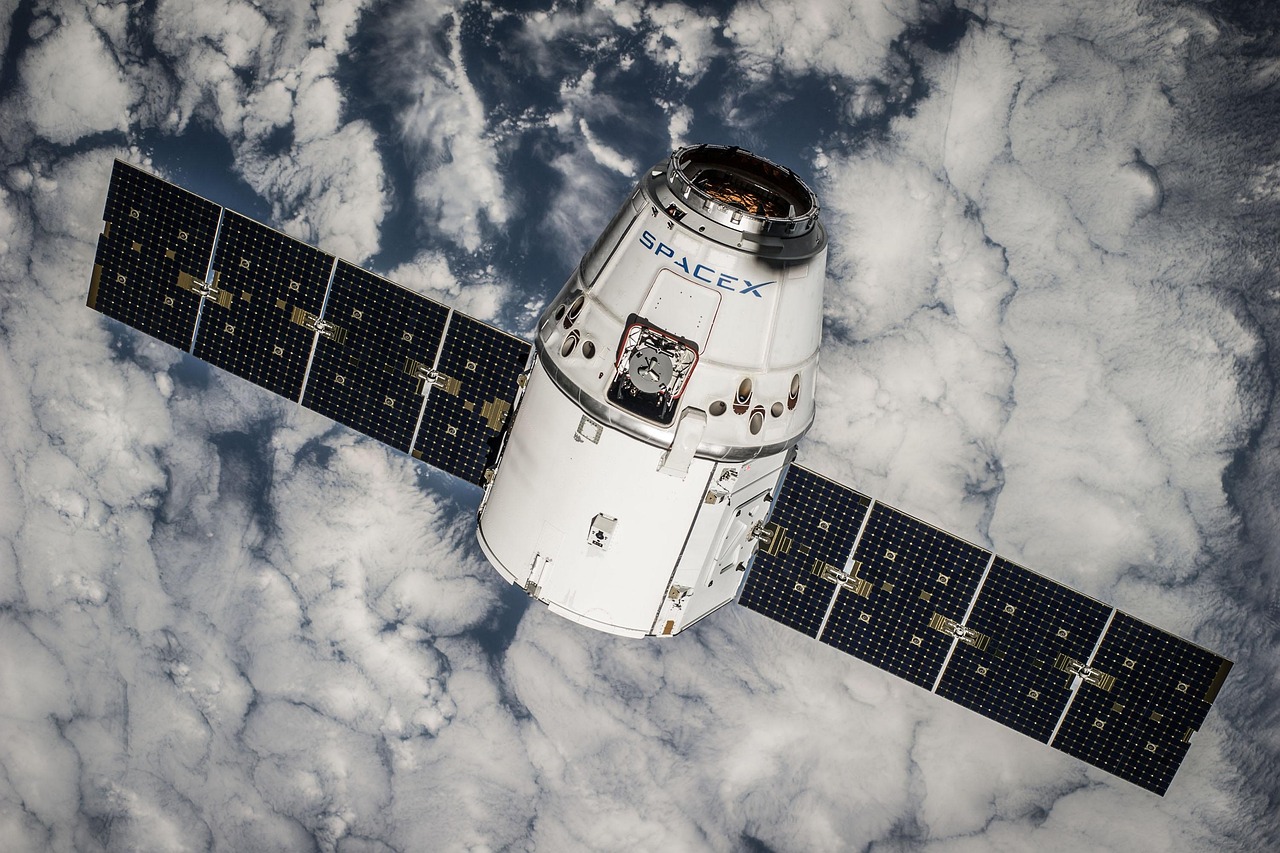
Photo by SpaceX-Imagery on Pixabay