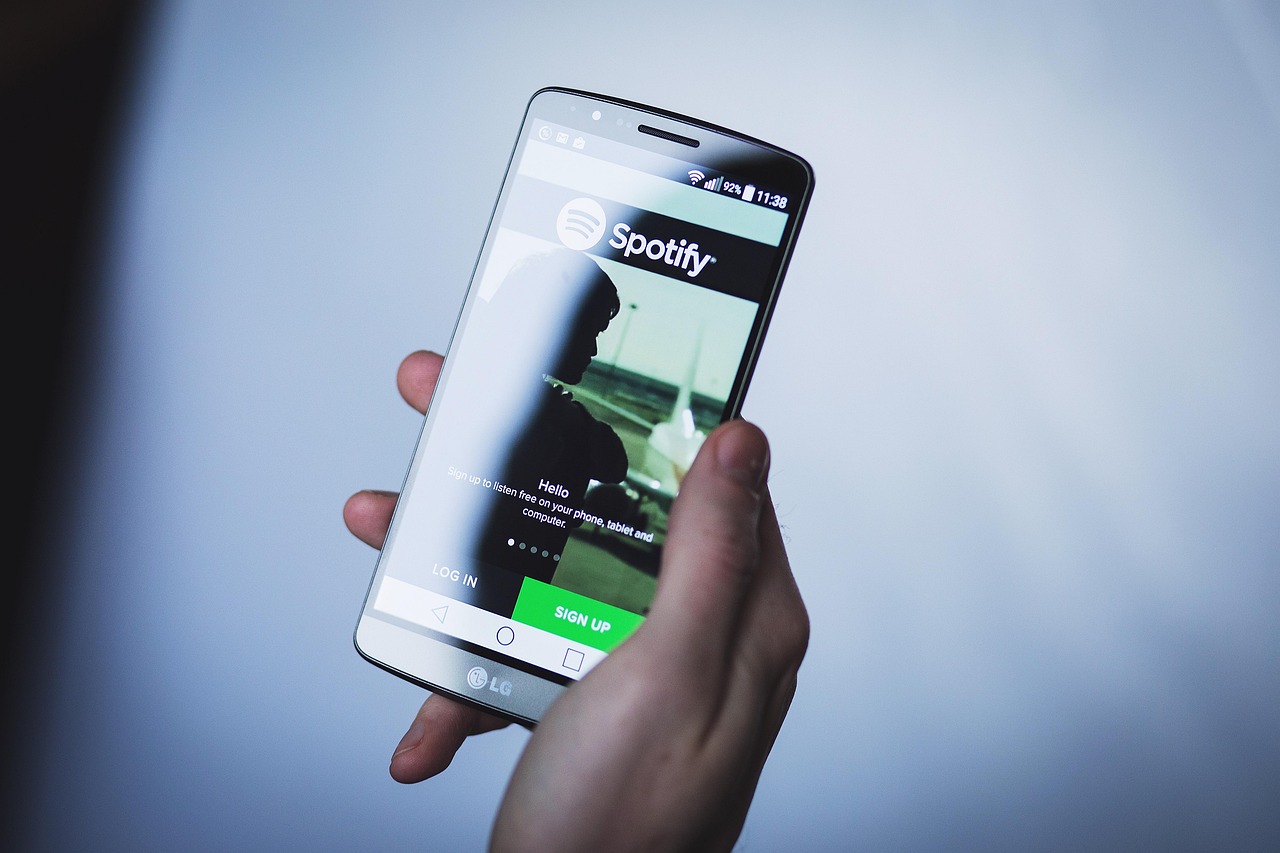
Spotify has officially launched a built-in playlist import tool that allows users to seamlessly transfer their music libraries from competing streaming services directly into the platform. The feature, powered by an integration with TuneMyMusic, represents a significant move in the competitive streaming music landscape, removing one of the major barriers preventing users from switching to Spotify.
How the Feature Works
Accessing the new import tool is straightforward. Users simply navigate to Your Library in the Spotify mobile app, scroll to the bottom, and tap “Import your music.” The interface then guides users through connecting their account from their previous streaming service, after which playlists and tracks are transferred directly into their Spotify library.
One of the most compelling aspects of this integration is that it bypasses TuneMyMusic’s standard 500-track limitation on free transfers. Users can now import entire music libraries with thousands of songs without hitting any paywalls or usage restrictions when switching to Spotify.
Supported Platforms
The import tool supports a comprehensive range of streaming services, including:
- Apple Music
- YouTube Music
- Amazon Music
- Tidal
- Deezer
- Pandora
- SoundCloud
Users’ original playlists remain intact on their source platforms—the tool simply duplicates them into Spotify rather than removing them from elsewhere.
Why This Matters
This feature addresses mounting pressure in the streaming industry as subscription prices continue to rise across all major platforms. By making the transition to Spotify painless, the company is directly tackling user churn and making it easier for subscribers considering a switch to actually follow through.
Apple Music already offers similar functionality through native iOS settings and its Android app, and YouTube Music Premium supports imports as well. However, Spotify’s approach of embedding this directly within the mobile app—rather than burying it in system settings—demonstrates how aggressively the company is targeting conversions from competitors.
The timing is particularly strategic, as the company continues expanding discovery features and social capabilities that appeal to users evaluating which platform best serves their listening habits.