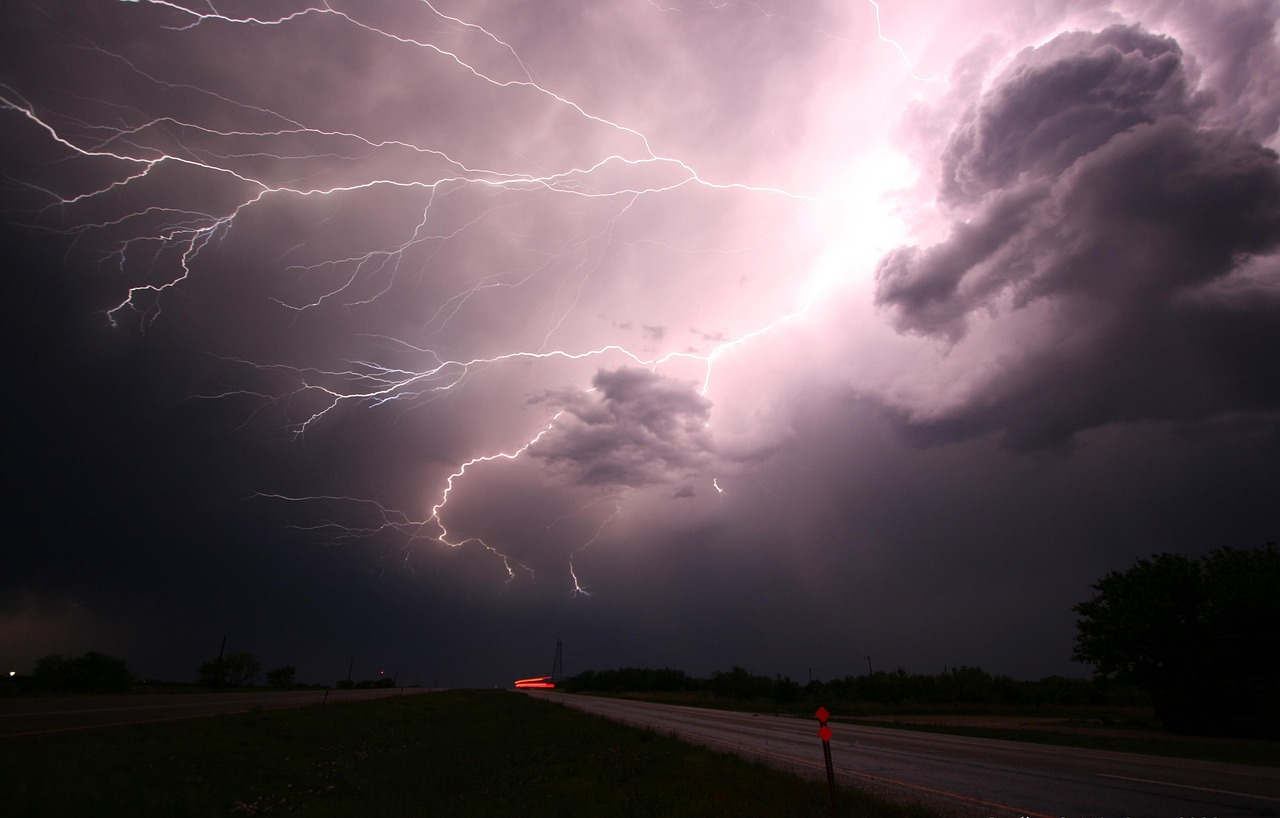
How to Protect Your Tech From Lightning Strikes: Essential Tips for Every Home
A single thunderstorm can fry your PC, TV, refrigerator, router, gaming console, and practically everything else you have plugged in. It takes only seconds, but the damage can be devastating—both financially and in terms of irreplaceable data. Residential electrical fires caused over $1.2 billion in property losses in the US in 2021 alone, according to FEMA data. The good news is that a handful of proactive steps can save you from an expensive repair bill and potential fire hazards.
How Lightning Actually Damages Electronics
Powerful storms are becoming more frequent as climate change intensifies weather events worldwide. When lightning strikes near your home, it can send a massive power surge through your electrical wiring, overwhelming the sensitive circuits inside your devices almost instantly.
According to the CDC, lightning can also travel through a building’s plumbing and any metal wires embedded in concrete walls or flooring, making the threat broader than most people realize. Even a nearby strike—not a direct hit—can induce a voltage spike strong enough to damage computers, TVs, and gaming consoles.
Step One: Unplug Everything
The simplest and most effective defense comes straight from FEMA: when a storm approaches, unplug your devices. It’s free, it requires no equipment, and it’s the only 100% reliable way to protect your electronics from a power surge traveling through your home’s wiring.
Invest in Surge Protectors
For devices you can’t easily unplug or want to protect when you’re away from home, surge protectors are essential. But not all power strips offer the same protection:
- Joule rating indicates how much energy the protector can absorb before failing. Look for 2,000 joules or higher for computers and entertainment systems.
- Clamping voltage is the trigger point that causes the protector to start diverting power. You want this under 400 volts—the lower, the better.
Standard power strips merely add extra outlets; a real surge protector actively diverts excess voltage away from your devices.
Whole-Home Surge Protection
For comprehensive coverage, consider having a licensed electrician install a surge protective device (SPD) directly into your main electrical panel. This provides downstream protection for all your home’s electronics at once. While more expensive upfront—typically several hundred dollars installed—it’s far cheaper than replacing a home full of fried devices.
The National Electrical Code now recommends whole-home surge protection in new construction, reflecting its growing importance.
UPS Backup for Critical Devices
For equipment that needs to stay on around the clock—routers, servers, medical devices—an Uninterruptible Power Supply (UPS) acts as a middleman between the wall outlet and your tech. A UPS contains both battery backup and advanced surge protection circuitry, seamlessly switching to battery power when a spike or outage occurs.
Lightning Rods and Protection Systems
If you live in a storm-prone region, you may need additional measures. A professionally installed lightning protection system (including lightning rods and grounding cables) redirects electrical energy safely into the ground, preventing it from traveling through your home’s wiring in the first place.
What Major Appliances Need
FEMA advises plugging major appliances—refrigerators, stoves, washers, and dryers—directly into wall outlets. Extension cords can overheat under the heavy load these appliances draw, creating an additional fire risk even before lightning enters the picture.
Preparing Before the Storm
Lightning protection isn’t complicated, but it does require a plan. The key is to act before severe weather arrives, not during it. Here’s a quick checklist:
- Surge protectors for all sensitive electronics (2,000+ joule rating)
- Unplug devices when storms are forecast
- Whole-home SPD installed by a licensed electrician
- UPS backup for essential always-on equipment
- Lightning rods in high-risk areas
When you’re home, unplugging remains the most reliable option. When you’re away, the investments you make in surge protection and grounding could mean the difference between losing expensive gadgets and your home staying safe.
Sources
- Engadget - “How to Protect Your Tech From Lightning Strikes” - https://www.engadget.com/2208395/how-to-protect-your-tech-from-lightning-strikes/
- FEMA - Ready.gov - https://www.ready.gov/
- CDC - Lightning Safety - https://www.cdc.gov/disasters/lightning/
- National Fire Protection Association - NEC Guidelines - https://www.nfpa.org/
Photo by WikimediaImages on Pixabay