The Los Angeles Police Department has suspended its use of controversial automated license plate recognition cameras from Flock Safety after the city’s three-year contract expired over the weekend, citing unresolved data privacy and security concerns.
The LAPD signed a three-year agreement with Flock Safety in 2023 that officially lapsed on July 12, 2026. The company currently operates 138 cameras across Los Angeles that are designed to scan and record vehicle license plates, helping law enforcement identify cars reported as stolen or registered to wanted fugitives. However, city officials grew increasingly uneasy over how Flock handles the vast amount of data its cameras collect.

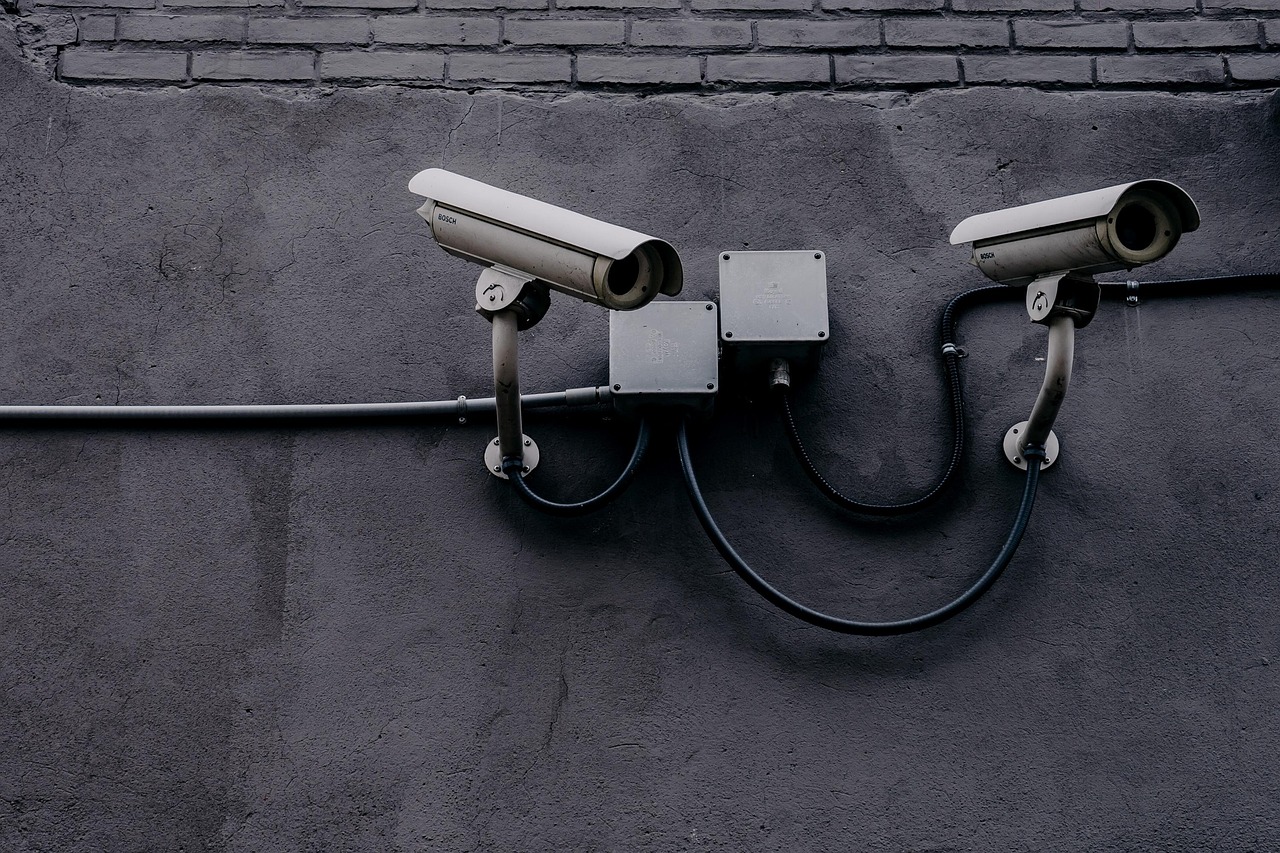
Surveillance cameras like this one have raised privacy concerns among Los Angeles officials, leading to the suspension of Flock Safety’s license plate reader program. (Image: WebTechExperts / Pixabay)
Data Sharing Dispute
The central point of contention revolves around data ownership and third-party access. According to a report from the Los Angeles Times, Flock Safety has allegedly shared its license plate data with state and federal authorities, including U.S. Immigration and Customs Enforcement (ICE). This data sharing runs counter to California state laws that restrict what information companies can hand over to government agencies.
“The sticking point is around having very clear terms about who owns the data, what happens with the data once they collect it,” LAPD Chief Information Officer Dean Gialamas told the Los Angeles Times. He confirmed the department will stop using Flock “until we can get those data, privacy, security and sharing concerns ironed out through a contractual relationship.”
Security Vulnerabilities
Beyond the privacy questions, Flock Safety’s camera system has also faced scrutiny over cybersecurity flaws. Security researchers have previously identified vulnerabilities in the company’s infrastructure that could potentially expose sensitive location and vehicle data. Critics argue that any system collecting thousands of license plate readings daily — tracking the movements of residents across the city — demands the highest possible security standards.
A Broader Debate
Los Angeles’ decision to walk away from Flock Safety is part of a wider national conversation about police surveillance technology and civil liberties. Privacy advocates have long warned that automated license plate readers (ALPRs) create a searchable database of where every driver has been, without any warrant requirement or judicial oversight. While police departments argue the technology is a vital crime-fighting tool, civil liberties groups contend it amounts to mass surveillance of ordinary citizens.
The suspension does not necessarily mark a permanent end to Flock’s presence in Los Angeles. Gialamas indicated that the department remains open to resuming the partnership once a new contract with stricter privacy and data-sharing provisions can be negotiated. For now, however, the cameras are silent — and the debate over the balance between public safety and personal privacy in the digital age continues.