After months of hype, speculation, and more than a few jokes, the mysterious hardware device from OpenAI is reportedly taking shape — and it sounds a lot like a smart speaker with a twist. According to a report from Bloomberg’s Mark Gurman, the long-rumored gadget will be a portable, battery-powered smart speaker capable of physically moving on its own, giving the impression that it is somehow alive.

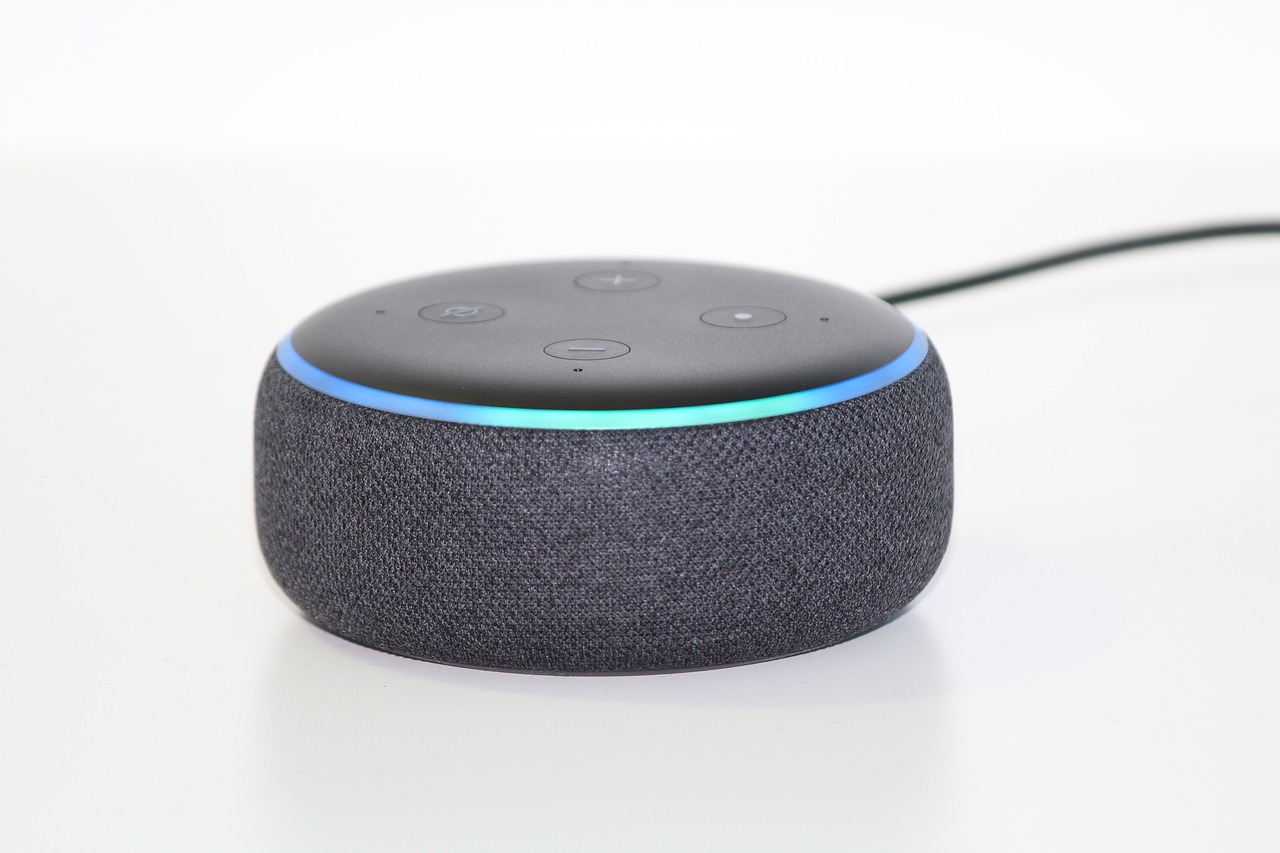
OpenAI’s device is expected to compete in the smart speaker category, but with AI-driven features that set it apart. (Image: finnhart / Pixabay)
A Screenless, Moving Companion
The device will reportedly be small enough to carry from room to room, screenless, and powered entirely by OpenAI’s chatbot technology. What sets it apart from existing smart speakers like the Amazon Echo or Google Nest is its mechanical component — internal motors or actuators that allow it to move in ways that suggest sentience. The Bloomberg report describes it as a “smart speaker that moves,” designed to feel more like a living companion than a static appliance.
Earlier rumors from analyst Ming-Chi Kuo had painted a very different picture, suggesting OpenAI was building an “AI agent phone.” It is possible the final device will split the difference — a portable, phone-like gadget that also functions as a smart home hub.
The Jony Ive Connection
OpenAI’s hardware ambitions have been closely tied to former Apple design chief Jony Ive. The two companies’ relationship culminated in OpenAI’s staggering $6.4 billion acquisition of Ive’s hardware design firm io last year. Ive and OpenAI CEO Sam Altman have been teasing the project since a slickly produced video announcement in March 2025, and Altman has described Ive’s design philosophy for the device in memorable terms: “We’ll know we’ll have the design right when you want to lick it or take a bite out of it.”
Apple Lawsuit Adds Intrigue
The timing of the Bloomberg report is notable. Just last week, Apple sued OpenAI for allegedly misappropriating trade secrets, claiming the company poached talent including mechanical engineer Tang Tan. OpenAI has denied the allegations, with a spokesperson stating, “We have no interest in other companies’ trade secrets.” Apple has reportedly been developing its own home robot devices — three prototype home gadgets including a tabletop robot with a swiveling display — making the competitive landscape increasingly crowded.
Personalized AI Over Time
What might actually make the device special, according to Bloomberg’s sources, is its promise as a personalized companion. The speaker is expected to become “increasingly personalized and proactive as it gains a deeper understanding of its owner over time.” In an era where smart speakers have largely stagnated as voice-controlled music players and timers, OpenAI is betting that a genuinely intelligent, adaptive chatbot interface — paired with physical movement — can rekindle consumer interest in the category.
No release date or price has been confirmed, but given the level of investment and the legal drama already surrounding the project, OpenAI’s moving smart speaker is shaping up to be one of the most anticipated — and scrutinized — consumer hardware launches in recent memory.