Roku commands the largest slice of the US streaming platform market, but a new survey from Horowitz Research suggests the company’s dominance may be built on quantity — not quality. The report, published just days after Fox announced its $22 billion acquisition of Roku, reveals significant gaps in user satisfaction compared to competitors like Amazon Fire TV and Samsung Smart Hub.

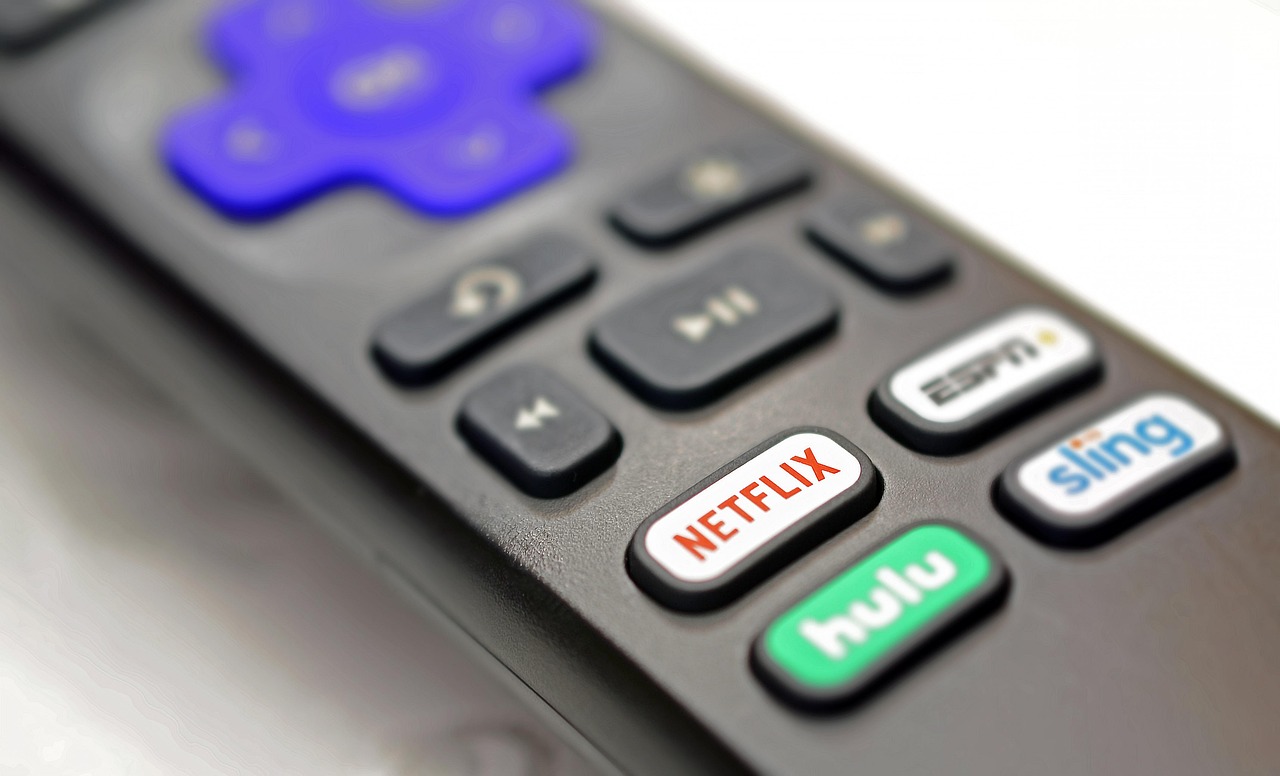
Roku leads in market share but lags behind competitors in user experience categories like content discovery, ad quality, and smart home integration. (Image: Pixabay)
Market Share Leader, Satisfaction Laggard
According to Horowitz Research, nearly 40 percent of US streaming platform users choose Roku — well ahead of Amazon Fire TV and Samsung Smart Hub, which each sit below 30 percent. That massive install base is likely a key driver behind Fox’s interest, giving the media giant a direct pipeline to a younger, streaming-first audience.
But the survey paints a less favorable picture when it comes to the actual user experience. Roku fell behind Fire TV in several critical categories, including ease of finding content, lag time, casting performance, and the ad experience. Samsung scored higher than Roku on Wi-Fi connectivity and reliability. Both competitors also beat Roku on startup speed and smart home integration. Notably, Roku did not lead Fire TV or Samsung in any individual category surveyed.
Even lower-market-share platforms like Apple TV and Google TV outperformed Roku in the areas Horowitz measured.
The Gen Z Challenge
The study’s findings carry particular weight as Roku looks to court younger viewers. Adriana Waterston, Horowitz Research’s market strategy expert, noted that younger audiences have higher expectations for their streaming experience.
“To continue to dominate the market, Roku will need to look not just at driving penetration but finessing their interface to meet the demands of Gen Z,” Waterston said. She added that younger customers “expect a robust, highly personalized and tech-forward user experience” — areas where the survey suggests Roku is falling short.
Waterston also warned about Roku’s advertising approach. The platform’s Ads Manager “runs the risk of over-saturating the Roku viewing experience with repetitive, lower quality ads,” which could “further alienate the younger audience that already has low tolerance for advertising.”
What It Means for Fox
The timing is notable. Fox’s $22 billion bet on Roku gives the company access to tens of millions of households and a trove of viewer data. But if the Horowitz survey is accurate, Fox may be inheriting a user base that is increasingly dissatisfied with the core experience.
Whether Fox can leverage its content library to improve engagement — or whether Roku’s interface and ad quality issues will drive users toward competitors — remains an open question. With Gen Z consumers proving less loyal and more demanding than previous generations, Roku’s path forward may require more than just a large user base to sustain its lead.
The full Horowitz Research study covers additional data on platform comparisons across demographics, content preferences, and emerging viewing habits.