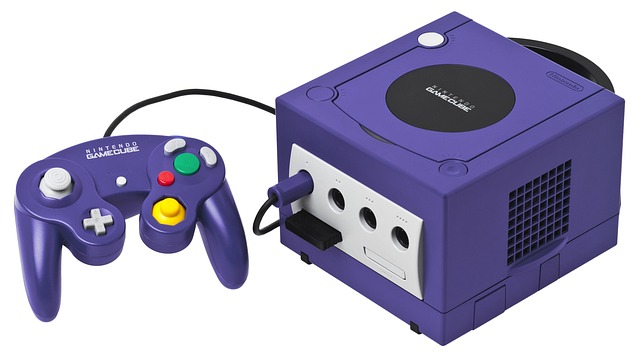
Walk into any retro game store and you’ll see decades of Nintendo history lining the shelves — NES cartridges, Super Nintendo classics, N64 favorites, and plenty of Wii titles. But one console’s library is conspicuously absent: the Nintendo GameCube. When GameCube games do appear, their price tags can be shocking. Some titles routinely sell for over $150. What’s going on?
As with most things in economics, it comes down to supply and demand — and the GameCube story has plenty of both.
A Beloved but Underperforming Console
The GameCube boasts one of Nintendo’s deepest first-party libraries. Metroid Prime, The Legend of Zelda: The Wind Waker, Super Smash Bros. Melee, Super Mario Sunshine, Luigi’s Mansion, and Paper Mario: The Thousand-Year Door are just a few of the system-defining exclusives. Add cult classics like Eternal Darkness: Sanity’s Requiem and the first two Pikmin games, and you have a catalog that rivals any Nintendo console before or since.
Yet the GameCube only sold 21.74 million units worldwide. That’s a 34% drop from the Nintendo 64’s 32.93 million — and a staggering 79% less than the Wii’s 101.63 million. Several factors contributed to this underperformance:
- No DVD playback: Unlike the PlayStation 2 and original Xbox, the GameCube didn’t play DVDs — a console-selling feature in the pre-streaming era.
- Family-friendly niche: Sony and Microsoft courted older audiences, pushing Nintendo further into the “kiddie” corner and weakening third-party support.
- Proprietary mini-discs: The console’s small, proprietary discs limited storage capacity and repelled third-party developers.
The Scarcity Factor
Low console sales meant fewer copies of games were produced. Top sellers like Super Smash Bros. Melee (7.41 million) and Mario Kart: Double Dash!! (6.88 million) sold well, but those numbers are a fraction of what the Wii’s blockbusters achieved. Fewer copies in circulation means fewer copies on shelves today.
The situation is compounded by the fragility of optical discs. Unlike NES or SNES cartridges — which can survive decades of abuse — GameCube discs are prone to scratches and disc rot. A scratched disc is often unplayable, permanently shrinking the pool of surviving copies.
Early Wii models were backward-compatible with GameCube discs, which extended the lifespan of the library in the secondhand market — but crucially, without bringing new copies into circulation. This further tightened supply.
The Nintendo Tax and Nostalgia Demand
The so-called “Nintendo tax” — the tendency for Nintendo games to hold or increase in value far more than third-party titles — applies in force to the GameCube. The children of the GameCube era are now in their mid-20s to early 40s, a demographic with disposable income and powerful nostalgia. Demand is high, and collectors are willing to pay a premium.
Limited modern re-releases haven’t helped. For years, the only legal way to play GameCube classics was with original hardware and discs. Nintendo only began adding GameCube titles to Switch Online in 2025 for the Switch 2, and that availability hasn’t yet translated into a meaningful drop in resale prices.
Price Check: How Much Are We Talking?
Not every GameCube game will break the bank. Here’s a quick look at the current secondhand market:
| Game | Typical Price (Used) |
|---|---|
| Metroid Prime | Under $30 |
| Paper Mario: The Thousand-Year Door | $30–$50 |
| Super Mario Sunshine | ~$40 |
| Super Smash Bros. Melee | $50–$70 |
| Luigi’s Mansion | $50–$70 |
| Mario Kart: Double Dash!! | $60–$70 |
| Pokémon Colosseum | $150+ |
| Pokémon XD: Gale of Darkness | $150+ |
| Chibi-Robo! | $160–$200 |
The Bottom Line
So the next time you visit your local retro game store and find the GameCube shelf mostly empty, know that the staff likely isn’t hoarding stock in the backroom, nor are they arbitrarily inflating prices. The forces at work are pure Econ 101: limited supply and enduring demand have turned GameCube collecting into an expensive hobby. If you want to build a GameCube library, your best bet is to buy early, buy often — and brace your wallet.