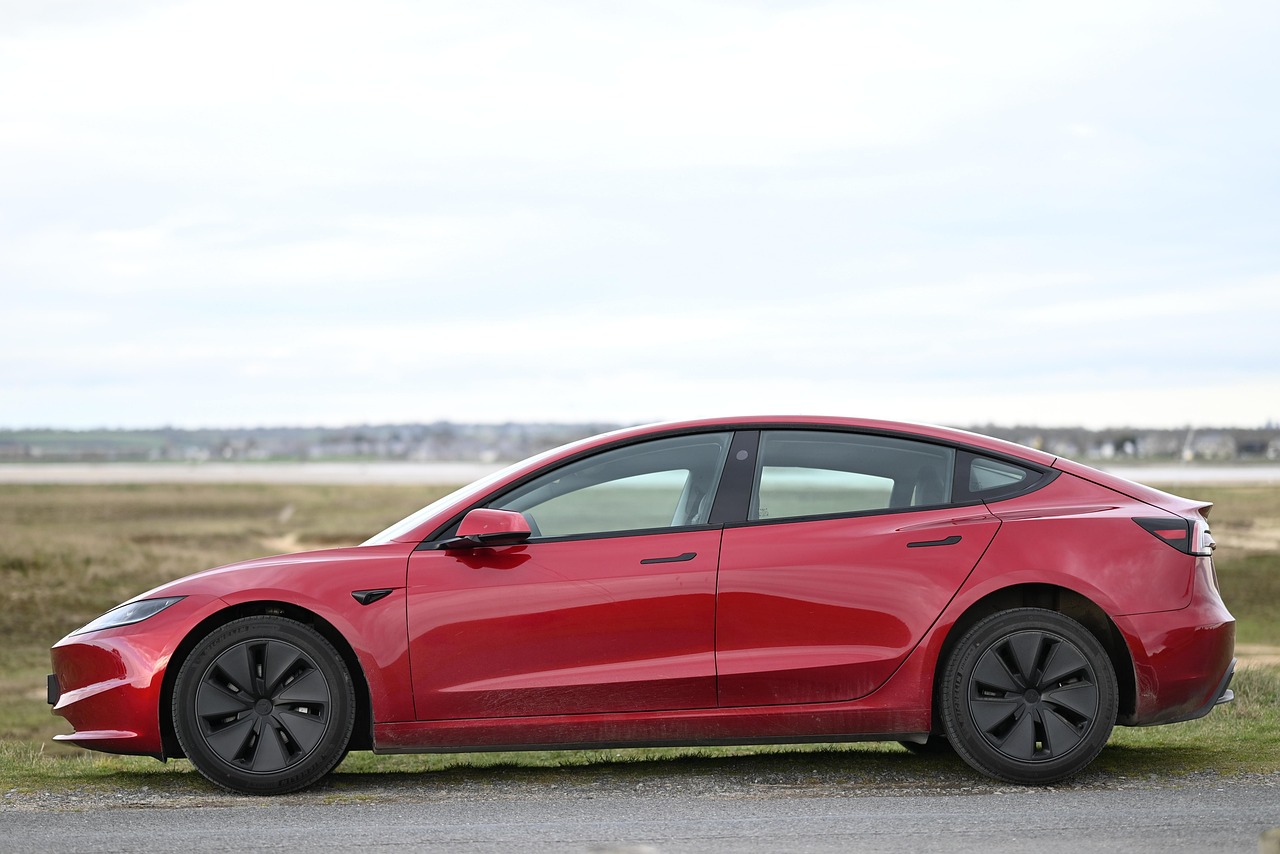
The National Transportation Safety Board (NTSB) has confirmed that the driver of a Tesla Model 3 manually overrode the vehicle’s Full Self-Driving (Supervised) system moments before a fatal crash that killed a woman in her Texas home. The finding, released as part of a preliminary investigation, sheds new light on one of the most high-profile incidents involving Tesla’s advanced driver-assistance technology.
What the NTSB Found
According to the NTSB’s preliminary report, the driver — identified as Michael Butler — pressed the accelerator pedal to 100 percent, which automatically disengaged the Full Self-Driving (Supervised) system. The vehicle was traveling at more than 70 mph when it struck and killed Martha Avila, who was inside her home at the time of the June crash.
The NTSB’s findings align with what Tesla’s Head of AI, Ashok Elluswamy, shared on social media shortly after the incident. “In this case, the driver manually overrode self-driving by pressing the accelerator all the way to 100 percent of the accel pedal in this residential area,” Elluswamy wrote on X. “They reached a speed of 73 mph during the crash, and had the accelerator pressed even after the crash.”
Driver’s Account
Butler reportedly told investigators he was completing a DoorDash delivery when the crash occurred, according to The Wall Street Journal. He stated that he enabled FSD while changing music on the Tesla’s center touchscreen, and claimed he “passed out” before the crash. Authorities found no blood or alcohol in his system, but data revealed that the brake pedal was never applied in the final minutes leading up to the collision.
Legal Fallout
The consequences for Butler have been swift. Avila’s family filed a wrongful death lawsuit on June 24, accusing both Butler and Tesla of negligence and seeking damages for the woman’s death. Shortly after in July, Butler was charged with manslaughter.
Ongoing Regulatory Scrutiny
While Tesla’s FSD (Supervised) technology is designed to require active driver supervision — handling tasks such as lane changes, turns, and navigation — this incident adds to a growing list of crashes involving the system that have drawn the attention of federal regulators.
The National Highway Traffic Safety Administration (NHTSA) is conducting its own investigation into this specific Texas crash. The agency also opened a broader investigation into Tesla’s self-driving technology in October 2025, signaling increasing regulatory concern over the safety of semi-autonomous driving systems deployed on public roads.
The Bigger Picture
This case highlights a recurring challenge for the autonomous vehicle industry: maintaining safety when driver-assistance systems can be manually overridden. While Tesla’s FSD (Supervised) includes safeguards that require attentive drivers, the ability to override the system with accelerator input remains a potential vulnerability.
As investigations continue, the incident is likely to fuel further debate about the adequacy of current regulations governing advanced driver-assistance systems and whether additional safeguards — such as speed limiting or geofencing in residential areas — should be required.