A Tesla driver who was using the company’s Full Self-Driving (FSD) mode when his vehicle crashed into a Texas home, killing an elderly woman, has been charged with manslaughter. The criminal complaint, filed by the Harris County Sheriff’s Office, marks one of the most significant legal actions taken against a driver relying on Tesla’s autonomous driving technology.
The Crash and Charges
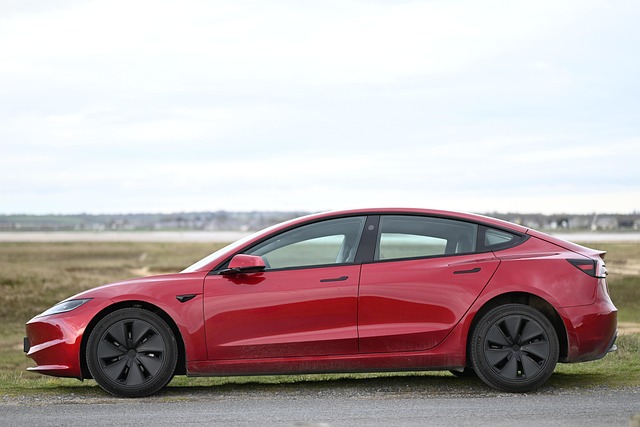
According to the complaint, Michael Butler was driving a Tesla Model 3 using its Full Self-Driving mode last month in Katy, Texas, when the vehicle was involved in a high-speed collision that resulted in the death of Martha Avila. The crash occurred while Butler was reportedly making DoorDash deliveries at the time of the incident.
Butler has been charged with manslaughter and is being held in the Harris County jail with a $150,000 bond, according to court records viewed by Engadget.
Driver Overrode Self-Driving System
The sheriff’s office complaint provides crucial details about the moments leading up to the crash. Investigators claim that Butler stepped on the accelerator and overrode his Tesla’s self-driving mode just before the collision. This detail was corroborated by Ashok Elluswamy, vice president of AI at Tesla, who posted on X that “the driver manually overrode self-driving by pressing the accelerator all the way to 100 percent” and “reached a speed of 73 mph during the crash.”
The involvement of a top Tesla AI executive publicly confirming the driver’s override of the FSD system adds a notable layer to the case, as it may prove central to determining liability between the driver and the technology.
Evidence and Searches
According to the sheriff’s office, investigators obtained written consent from Butler to search and seize both the involved Tesla and his cellphone. The phone search reportedly uncovered multiple Google searches related to Full Self-Driving, including queries such as:
- “tesla fsd not aggressive enough 2026 model”
- “FSD is not aggressive enough for city driving”
- “tesla fsd too timid”
These searches suggest Butler may have been dissatisfied with the FSD system’s performance, potentially motivating him to take more aggressive manual control — which prosecutors argue led to the fatal outcome.
Legal and Regulatory Fallout
Butler is not only facing a criminal charge. The family of Martha Avila has filed a wrongful death lawsuit accusing Tesla of defective design and the driver of negligence. This civil action adds another layer of legal exposure for both Butler and Tesla.
On the regulatory front, the National Highway Traffic Safety Administration (NHTSA) has launched a new special investigation into the incident. The agency has previously opened probes into Tesla and its Full Self-Driving technology, and this case adds renewed urgency to questions about the safety and oversight of consumer-level autonomous driving systems.
Broader Implications
This case represents a critical juncture for Tesla’s FSD program and the broader autonomous vehicle industry. While Tesla has long maintained that its FSD system is a driver-assist feature requiring active driver supervision, incidents like this — where a driver overrides the system with deadly consequences — raise difficult questions about how these systems are marketed, understood, and used by the public.
The combination of criminal manslaughter charges, a wrongful death lawsuit, and a new NHTSA investigation means this case will likely serve as a major reference point in the ongoing debate over autonomous vehicle regulation and liability in the United States.