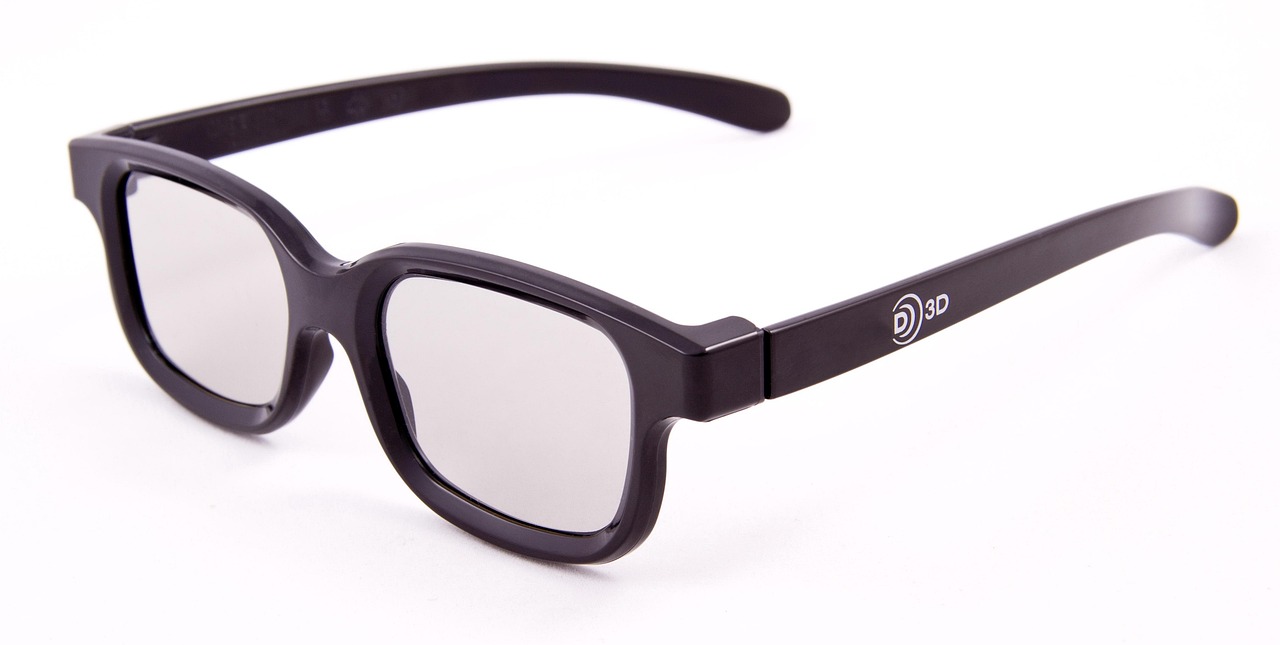
For a brief moment in the early 2010s, 3D TVs were everywhere. Television manufacturers shoved the technology into most of their sets, riding the wave of Hollywood’s obsession with stereoscopic releases like Avatar and How to Train Your Dragon. But by 2015, as the industry shifted focus to 4K and HDR, 3D had all but vanished from the living room. What went wrong?
As Engadget reports, the answer is a combination of poor user experience, lack of compelling content, and the rapid rise of more immediately gratifying technologies. Convenience is king in home entertainment, and 3D TVs proved to be anything but.
The Pain of Using 3D TVs
While many TVs released between 2010 and 2015 supported 3D, actually using the feature required clearing a series of frustrating hurdles. Consumers had to purchase 3D glasses — ranging from $10 to $20 for passive frames to upwards of $50 for active shutter glasses that required constant charging. You also needed a compatible Blu-ray player and had to pay a premium for 3D discs, assuming you could find them in stock.
For those willing to jump through those hoops, the experience was highly dependent on screen size and viewing distance. On a 42-inch or 50-inch set, the immersion of Avatar’s Pandora simply didn’t translate. Worse still, passive 3D glasses effectively halved the resolution of 1080p since the display had to deliver separate images for each eye. Active shutter glasses avoided that issue on higher-end TVs, but the expense and battery limitations made viewing parties all but impossible.
Outside of dedicated Blu-rays, 3D content was scarce. The BBC and ESPN both experimented with 3D broadcasts but gave up on the format in 2013. “I have never seen a very big appetite for 3D television in the UK,” BBC’s head of 3D, Kim Shillinglaw, told Radio Times at the time. “Watching 3D is quite a hassly experience in the home.”
4K and HDR: The Killer Blow
As the hype around 3D TVs waned, 4K sets with HDR started cropping up with far more immediate benefits. They looked noticeably sharper and brighter than earlier HDTVs, and they were buoyed by a wealth of 4K content from Netflix and other streaming services. There was no need to buy a special Blu-ray player, no need to put on glasses, and no need to hunt for compatible content. It’s no wonder 4K took off.
According to a study by Precision Reports cited by Engadget, only around 25 percent of households with 3D TVs actually used the technology during the peak period between 2010 and 2018. Fewer than 10 percent kept using it after three years. The report found that 65 percent of users stopped due to lack of content, 50 percent cited discomfort during long viewing sessions, and 42 percent gave up because of high equipment costs.
Hollywood’s 3D Problem
The trouble wasn’t just at home — Hollywood itself played a major role in 3D’s demise. After the initial rush of hits like Avatar and Alice in Wonderland, studios rushed to convert existing 2D films to 3D, often with poor results. While James Cameron meticulously built Avatar around a true stereoscopic 3D camera system, releases like Clash of the Titans were hastily upscaled, resulting in muddy, depth-less visuals that left audiences feeling ripped off.
By 2012, major films like Pixar’s Brave and Madagascar 3 saw serious drops in their 3D ticket sales. Producer Jeffrey Katzenberg told The Hollywood Reporter in 2011: “We have disappointed our audience multiple times now. The audience has spoken, and they have spoken really loudly.”
The number of genuinely great native 3D films remained small: Avatar, Gravity, Hugo, Life of Pi, and The Martian among them. This tiny library of quality titles meant that even the technology’s biggest fans had little to choose from.
Where to Watch 3D Today
Unless you’ve kept an old 3D TV and Blu-ray player around, options for watching 3D content today are limited — and expensive. Many modern projectors support 3D, with BenQ models being well-regarded. VR headsets like the Apple Vision Pro and Meta Quest offer spectacular 3D movie experiences, but come at a premium price.
Despite its failure in the home, 3D isn’t entirely dead. Precision Reports predicts that the 3D TV category could grow by 15 percent by 2036, driven by glasses-free 3D technology, commercial implementations, and gaming. But for now, the dream of mainstream home 3D remains a relic of the early 2010s — a reminder that in consumer tech, convenience and content are everything.