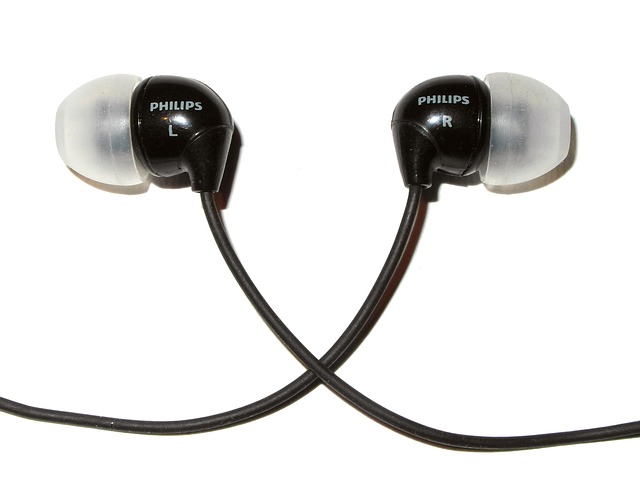
After years of dominance by wireless earbuds, a curious shift is underway. People are increasingly swapping their AirPods and Galaxy Buds for wired IEMs (in-ear monitors). Sales of wired headphones surged throughout the latter half of 2025, and the trend shows no signs of slowing in 2026. What’s driving this reversal?
Better Sound for Less Money
The most compelling reason for the shift is audio quality per dollar. Modern wireless earbuds can sound excellent, but premium models from Bowers & Wilkins, Sony, and Apple cost upwards of $250–500. Wired IEMs offer comparable — often superior — sound reproduction at a fraction of the price.
Take Sennheiser’s latest HD400U wired headphones: at just $100, they handle 24-bit audio at 96kHz — the same spec as the $450 wireless Bowers & Wilkins Px7 S3. Without the cost of Bluetooth chips, batteries, and DACs, manufacturers can pour more into driver quality and tuning. For audiophiles and budget-conscious listeners alike, wired is increasingly the smarter choice.
The Bluetooth Battery Tax
Wireless convenience comes with hidden costs — namely, battery anxiety. Bluetooth earbuds inevitably run out of juice mid-commute, and constant charging cycles degrade lithium-ion cells over time. Most wireless earbuds aren’t designed with user-replaceable batteries, meaning a dead battery often sends the entire product to the landfill.
Bluetooth also relies on the crowded 2.4GHz spectrum, making it prone to interference, audio stuttering, and dropouts in busy urban environments. Wired IEMs sidestep all of these issues entirely. No pairing, no charging, no signal loss — just plug in and listen.
Tech Fatigue and the Vintage Revival
The wired headphone comeback is part of a broader cultural shift. Consumers are growing weary of algorithm-driven tech, AI being stuffed into every product, and the surveillance economics that underpin modern gadgets. Dedicated point-and-shoot cameras saw surging sales in 2025, vinyl records surpassed $1 billion in revenue, and mechanical watches are enjoying a renaissance.
Wired headphones fit neatly into this analog revival. They don’t require firmware updates, phone apps, or privacy policies. They just work.
The Fashion Factor
Celebrities and influencers have supercharged the trend. Ariana Grande, Charli XCX, Robert Pattinson, and Lily-Rose Depp have all been spotted rocking wired headphones in public. The Instagram account Wired It Girls has turned wired headphones into a style statement. What was once seen as outdated is now a badge of intentionality and taste.
The Catch
It’s not all upside. Wired headphones face interoperability headaches: the shift to USB-C means you might need dongles for older devices, and you can’t charge your phone while listening through a wired connection on most modern smartphones. Wireless earbuds still command roughly 60–72 percent of the market.
Still, the wired comeback signals something real. Consumers are voting with their wallets for products that prioritize sound quality, longevity, and simplicity over connectivity gimmicks. Whether it’s a lasting shift or a passing trend, one thing is clear: wired audio is having a moment.