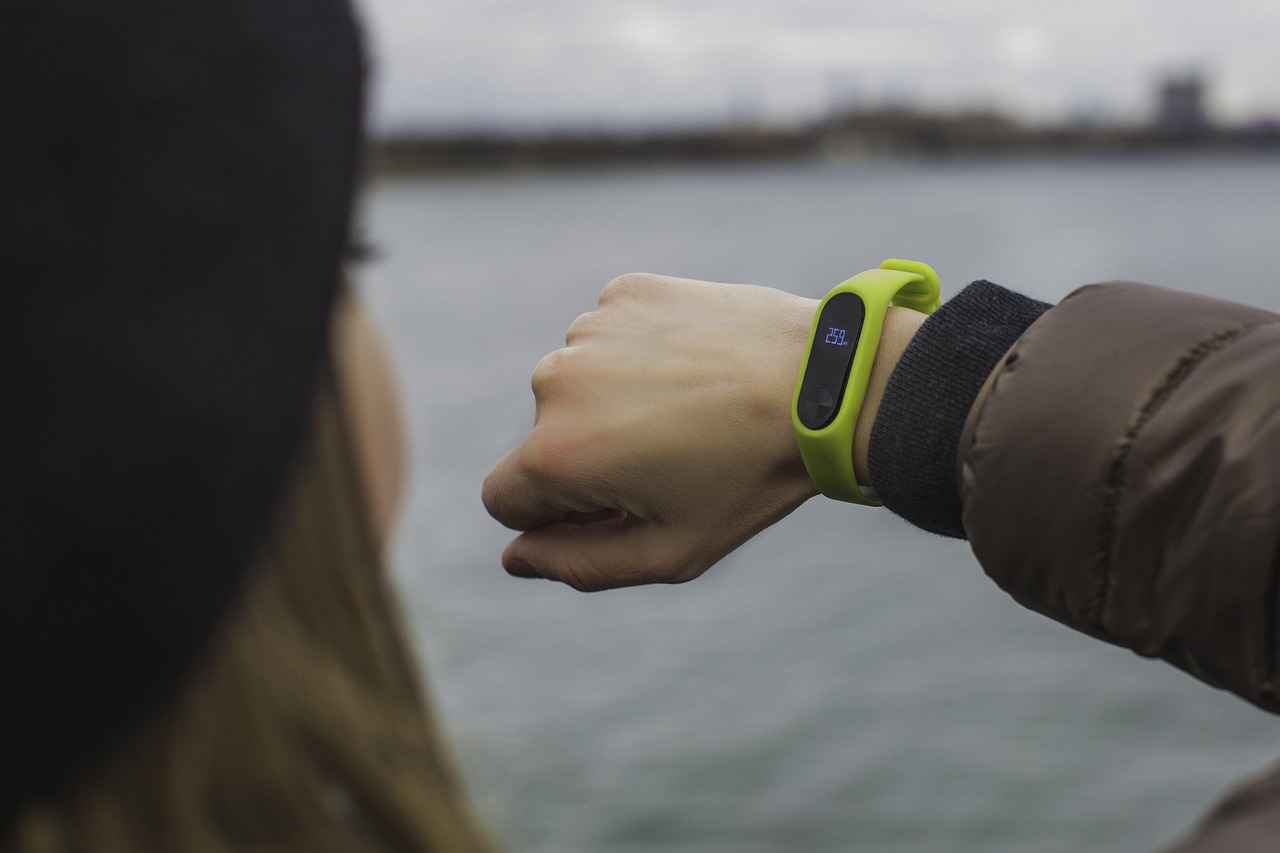
Smartwatches have evolved far beyond counting steps — today’s devices from the Apple Watch to Oura and Whoop can monitor sleep, skin temperature, respiratory rate, blood oxygen, heart rate variability, and even alert you to possible signs of sleep apnea. With AI increasingly woven into these features, the big question is: can your smartwatch actually detect early signs of illness before you feel them?
According to a recent analysis by Engadget, the answer is nuanced. While marketing often hints at a wrist-mounted medical tricorder, the clinical reality is more measured.
What Actually Works
Wearables excel at detecting deviations from your personal baseline — flagging when something is off rather than diagnosing conditions outright. Atrial fibrillation (AFib) detection is the standout success: an Apple Watch study confirmed irregular pulse alerts as AFib 84 percent of the time, a rate many cardiologists consider genuinely useful.
Beyond AFib, basic sleep patterns and step counts are the metrics physicians trust most. The list of high-confidence features, however, remains short.
The Limitations
Blood pressure alerts, calorie estimates, and detailed sleep-stage tracking aren’t accurate enough for clinical use. Proprietary readiness scores from Oura and Whoop rely on black-box algorithms that give doctors little to work with. False positives also abound — a resting heart rate spike could mean infection, or just a bad night’s sleep.
AI and Multi-Sensor Detection
This is where things get interesting. Research from Texas A&M and Stanford found that smartwatches can detect physiological changes from respiratory infections within hours of exposure, well before symptoms appear. The researchers estimated that acting on these alerts could reduce pandemic transmission by up to 50 percent.
Companies like Google, Oura, and Whoop have introduced AI-powered analysis tools. Google’s Health Coach, powered by Gemini, ties together sensor data to suggest actionable steps. Apple’s Vitals app and Oura’s Symptom Radar similarly combine multiple readings to flag potential illness.
The Bottom Line
AI in wearables shines as an early-warning system, not a diagnostic tool. The risk remains that users might substitute algorithm-generated advice for real medical consultations. As Engadget notes, nothing can replace regular checkups with a doctor.
The future isn’t a smartwatch that diagnoses disease from your wrist — it’s a device that quietly watches for patterns, nudges you when something looks off, and gives you one more useful data point to discuss with your physician.